
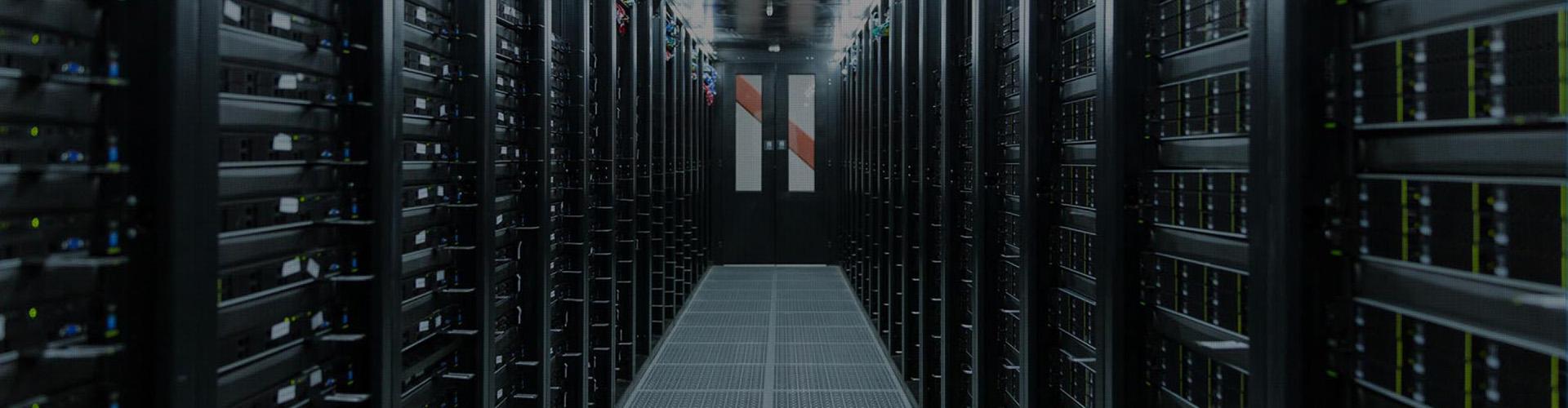


In data centers and various types of venues, densely packed cabinets and operational circuits generate a large amount of heat. Traditional cooling solutions often rely on globally increasing refrigeration capacity, which not only wastes energy but also fails to address local hotspots. Today, anti-static ventilated flooring has become a key solution. Working in tandem with existing cooling systems, it efficiently dissipates heat, balances room temperature, and precisely resolves local overheating issues, making it the "heat management steward" of modern data centers.
This "steward" offers multiple material options, including all-steel, aluminum alloy, and cast aluminum, each with its own strengths. The ventilation rate can be flexibly adjusted between 17% and 60% to meet different scenario requirements. For rooms with general ventilation demands, all-steel anti-static ventilated flooring is a cost-effective choice. It features an all-steel modular structure, four-sided support design, high-quality deep-drawn steel plates, and reinforced internal lattice, combining high strength with high ventilation. The surface is overlaid with HPL or PVC anti-static panels, with conductive strips embedded around the edges. The supports and crossbeams are galvanized, providing adjustable, self-locking height, excellent impact resistance, and corrosion resistance. For high-demand rooms, aluminum alloy shows greater advantages. Although more expensive, it delivers superior performance to meet stringent requirements.

Moreover, anti-static ventilated flooring comes equipped with multiple "capabilities": Ventilation holes ensure effective heat dissipation, hollow or reinforced lattice structures balance lightness and stability; high dimensional accuracy allows for easy cutting, and installation accessories are convenient; the surface offers static-resistant coating that is corrosion-proof and fire-retardant, with anti-static and dust-resistant functions, and four-sided fixing simplifies installation. For overweight equipment, adding support structures beneath the floor easily addresses load-bearing needs.
Beyond data centers, it is also widely used in cleanrooms, facilities with ventilation monitoring needs, and other fields. With its flexible adaptability and high efficiency, it provides reliable solutions for heat dissipation and air delivery requirements across various sites.